
The overall aim of the Fighter Lead-In Training (FLIT) course is to provide pilots with the knowledge and experience required to transition to fast-jet operations and develop the foundational tactical skills required for modern fighter aviation. The programme combines academic instruction with practical flying and mission training designed to develop flying ability, situational awareness, tactical thinking, and initiative. The course content can be tailored to meet specific customer requirements while maintaining a structured progression toward advanced tactical proficiency.
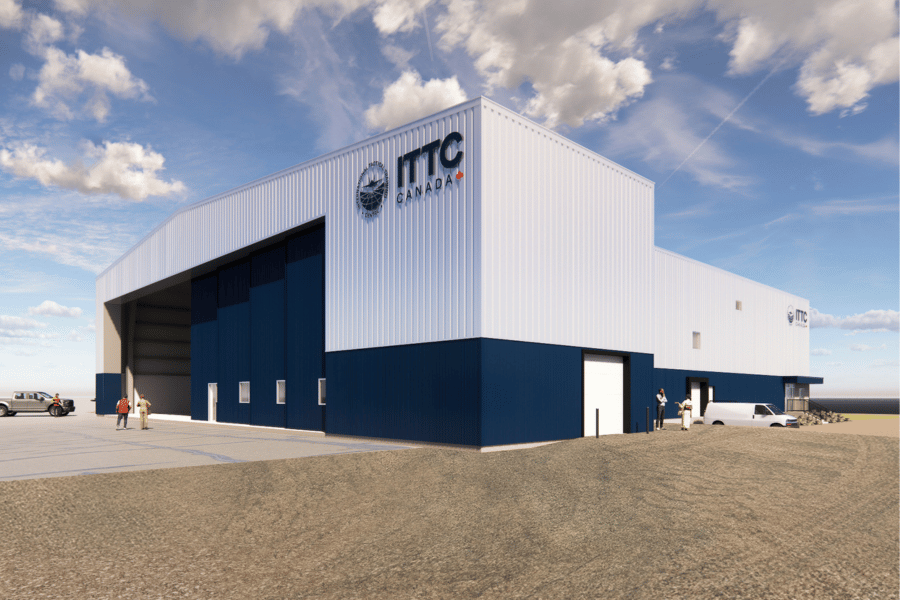
The new ITTC facility in North Bay, Ontario, provides an ideal environment for advanced tactical training. Located between Lake Nipissing and Trout Lake, the city is strategically positioned at the junction of major highways and approximately three hours from Toronto. North Bay is well connected by road, rail, and air, and features Northern Ontario’s longest 10,000-foot runway, supporting a wide range of aircraft operations and ensuring excellent accessibility for domestic and international students.
ITTC supports students through a dedicated administration and pastoral care team, assisting with housing, transportation, and relocation needs to ensure a smooth transition into training. Programs are tailored to meet specific operational requirements and are delivered using a diverse fleet of aircraft, supported by modern training technologies including simulation, virtual reality, and mixed reality. Backed by decades of military and tactical training experience and trusted by air arms worldwide, ITTC delivers focused, cost-effective training in a highly capable and efficient operating environment.
Professional, Bespoke Tactical Training Solutions
Talk to an ITTC expert today about your unique requirements, request a quote, or learn more about courses and delivery.